





The U.S. Restaurant Industry is Bouncing Back with Tech and Innovation
2023-09-13 08:48
The U.S. restaurant industry is a significant player in the economy, with a large market size and a long history of development. According to statistics from the National Restaurant Association (NRA), the industry's size grew from $428 billion in 1970 to $864 billion in 2019, accounting for about 4% of the U.S. GDP. The COVID-19 pandemic in 2020 severely impacted the restaurant industry, causing a 24% decline in market size to $678 billion that year, with a gradual recovery only beginning in 2021 as the pandemic eased.
The latest annual forecast released by the National Restaurant Association in its "2023 State of the Restaurant Industry" report predicts that the industry will reach $997 billion in 2023.

The report also found that:
- Approximately 70% of restaurant businesses indicated that operations have stabilized and are entering a new normal.
- About 84% of consumers stated that dining out with family and friends is a better use of leisure time compared to cooking and cleaning at home.
- Inflation continues to plague the industry, with 92% of restaurant operators citing food costs as a significant issue.
- In three limited-service segments (fast food, fast-casual, and coffee/snacks), 40% of businesses expect drive-thru services to become more prevalent in 2023.
Since the pandemic began in 2020, inflation has become an inescapable topic. The rising inflation rate has unsurprisingly led to increased food prices and labor costs, resulting in higher operating costs for restaurants.
Facing rising costs, restaurant operators are taking steps to lighten the load. They're hunting for new suppliers that offer ingredients at lower prices, rethinking their menus to better balance cost and appeal, crafting promotions that draw customers in, and reevaluating their service models to stay competitive.
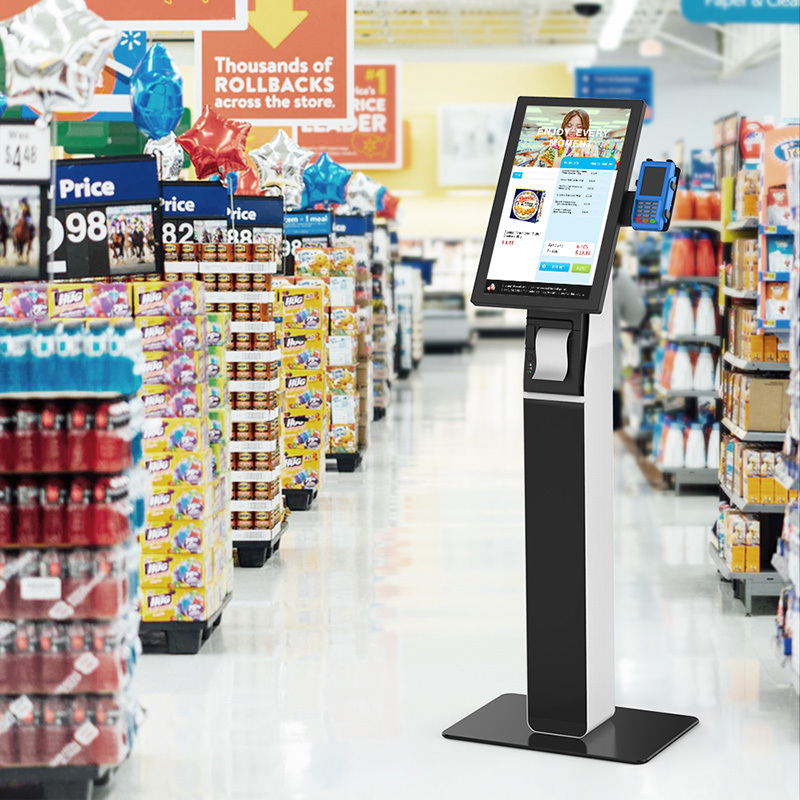
On the other hand, they can also reduce labor costs and improve service quality through technological means. Self-service options such as kiosk ordering, iPad mobile ordering, and QR code ordering allow restaurants to function efficiently even during staff shortages.


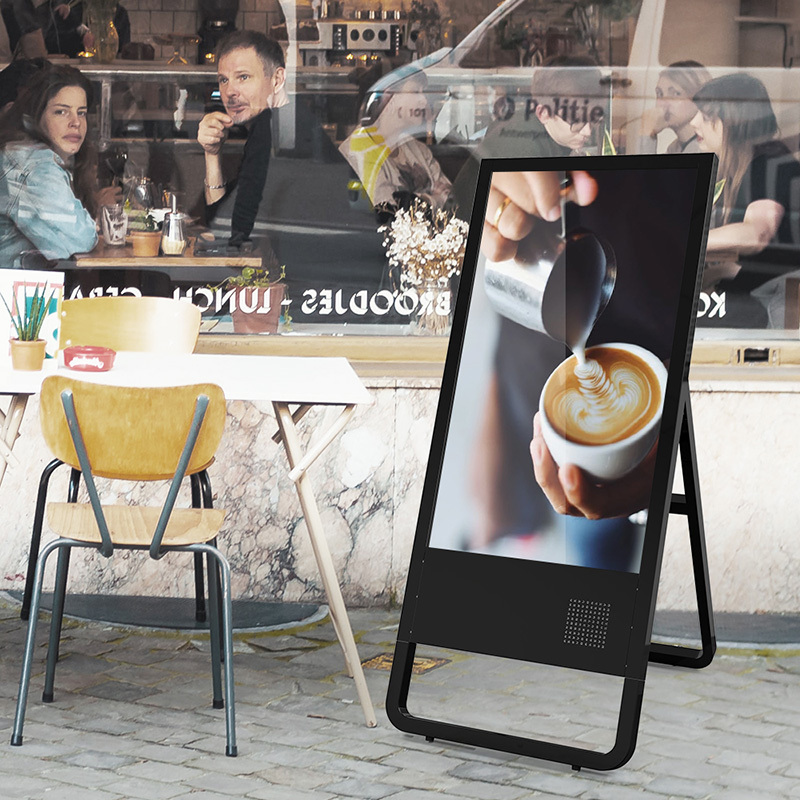
Hudson Ryel, Senior Vice President of the National Restaurant Association, said, "The report clearly shows that consumers are very willing to use technology in their daily restaurant spending." He added that younger consumers want more tech exposure, whether through smartphones, self-service kiosks, or digital menus.
In fact, with the rise of mobile payments and the development of e-commerce, more and more businesses are adopting ordering and cash register systems composed of iPads, iPad stands, and receipt printers, replacing cumbersome cash register equipment and freeing up more space in the store.

Typically, small to medium-sized restaurants only need an iPad device to achieve services such as table selection, ordering, checkout, mobile ordering, and data analysis through terminal services. Many applications and accessories specifically developed for iPads, such as ordering and cash register software, iPad stands, and POS stands, have emerged as a result.


The survey also found that about 58% of operators indicated that the use of technology and automation to alleviate labor shortages will become more common in 2023. Therefore, it can be said that there is a huge market demand for smart restaurant management software systems and corresponding hardware devices in the U.S. restaurant industry.
Food and technology are continuously integrating, and everyone must seize this trend, seize the opportunity, and ride the wave.


Related Articles





Perfection by Change.
Beelta offers innovative hardware solutions, swiftly meeting global market needs and boosting business success.


Current Region
United States
United Kingdom
European Union
Australia
Singapore

Chat with us